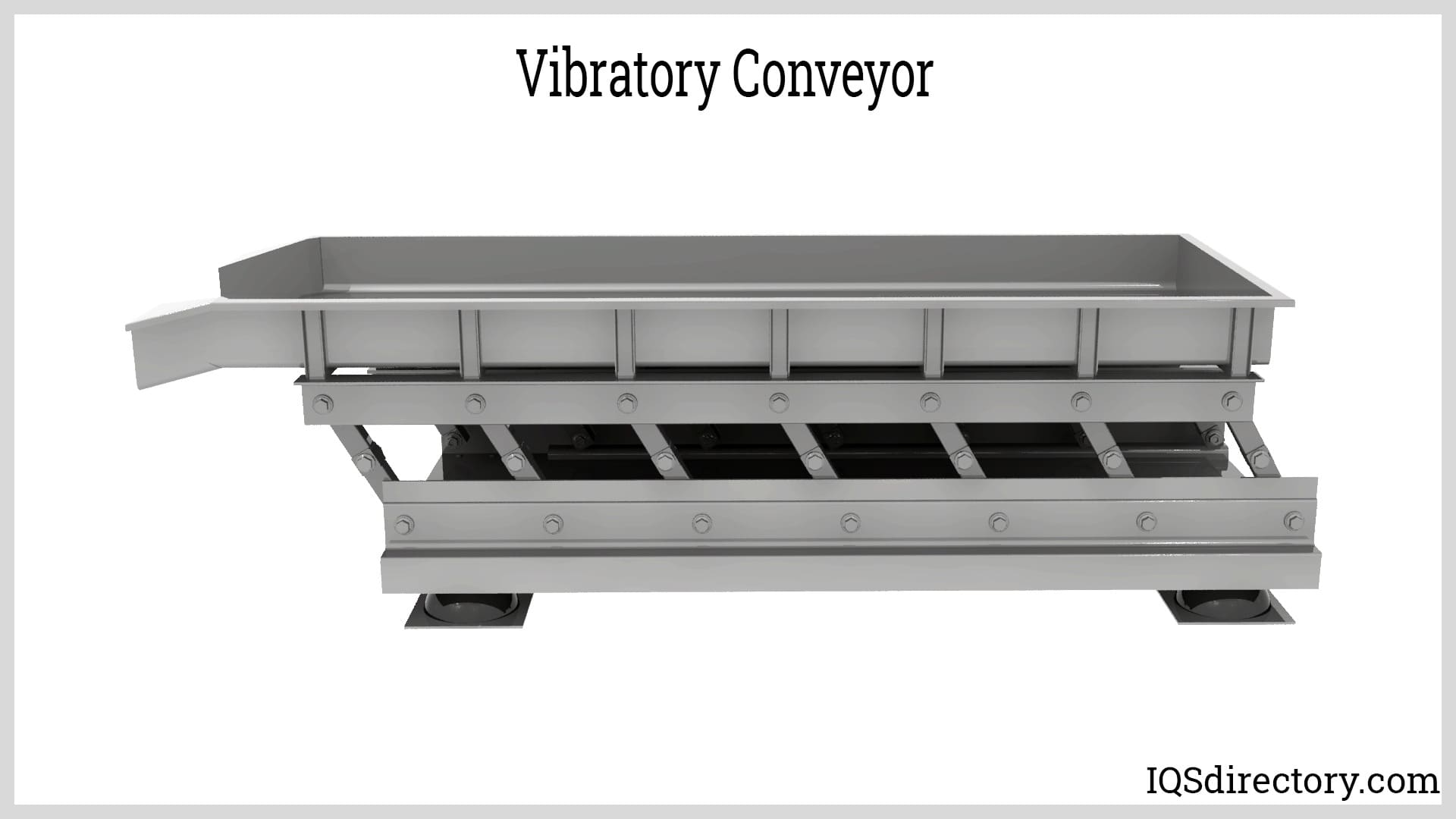
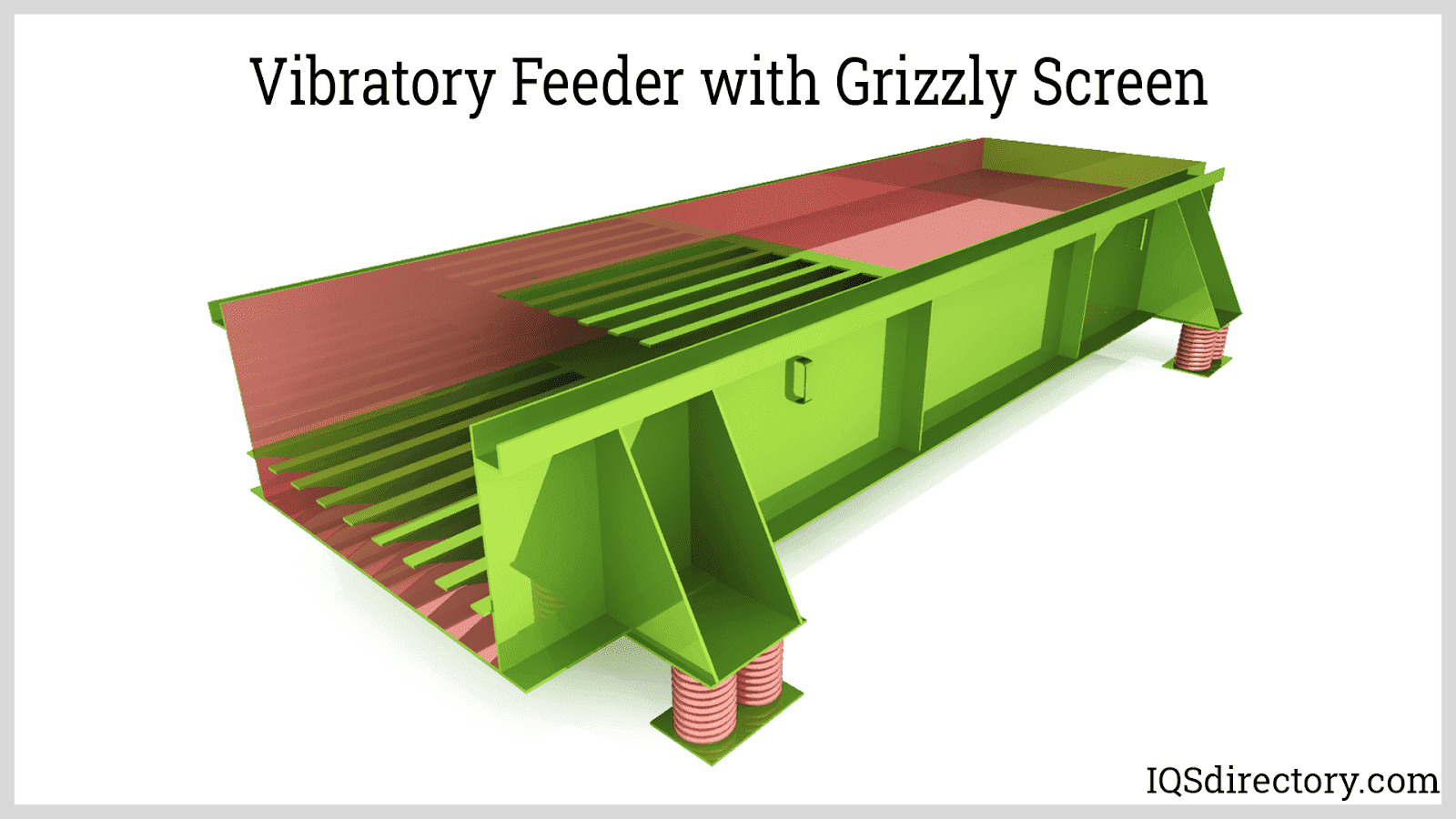
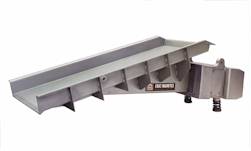
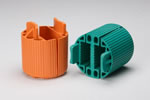
A vibratory feeder, also called a vibratory conveyor, is an industrial material handling solution that uses controlled vibrations to transport bulk materials efficiently through various stages of a process, such as packaging, screening, sorting, recycling, or finishing operations. Read More.....

Rodix, Inc. open_in_new
Location: Rockford, IL
Rodix manufactures vibratory feeder controls, inline track drives, drive bases, & bulk storage hoppers for part feeding systems. Our line of vibratory feeder controls feature variable amplitude, variable frequency, line-voltage compensation, UL/cUL Listed, CE Marked, and more. We have experience working with machine integrators, vibratory feed system builders, and manufacturers.


PPM Technologies Holdings, LLC open_in_new
Location: Newberg, OR
PPM Technologies Holdings, LLC is an innovative industry leader in the vibratory feeder industry. Our main focus has always been to provide our customers with high-quality products with the exact specifications for their needs. With our wide range of products, we are able to serve various industries.

JVI Vibratory Equipment open_in_new
Location: Houston, TX
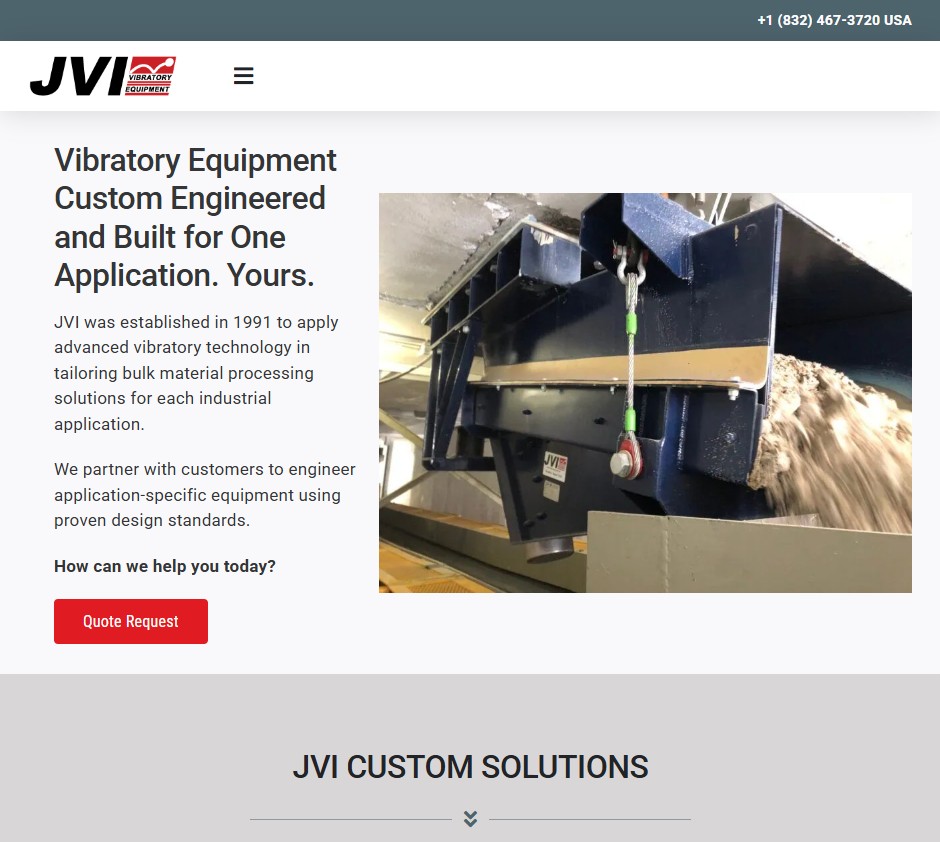
JVI Vibratory Equipment is a leading provider of vibratory process solutions. JVI manufactures vibratory feeders, screens, spiral elevators, conveyors, & grizzlies – all custom designed and manufactured specifically to meet the customer’s exact application requirements. JVI incorporates dry bulk material handling expertise with years of experience to provide innovative, custom machines unsurpassed in quality and performance.

Performance Feeders, Inc. open_in_new
Location: Oldsmar, FL
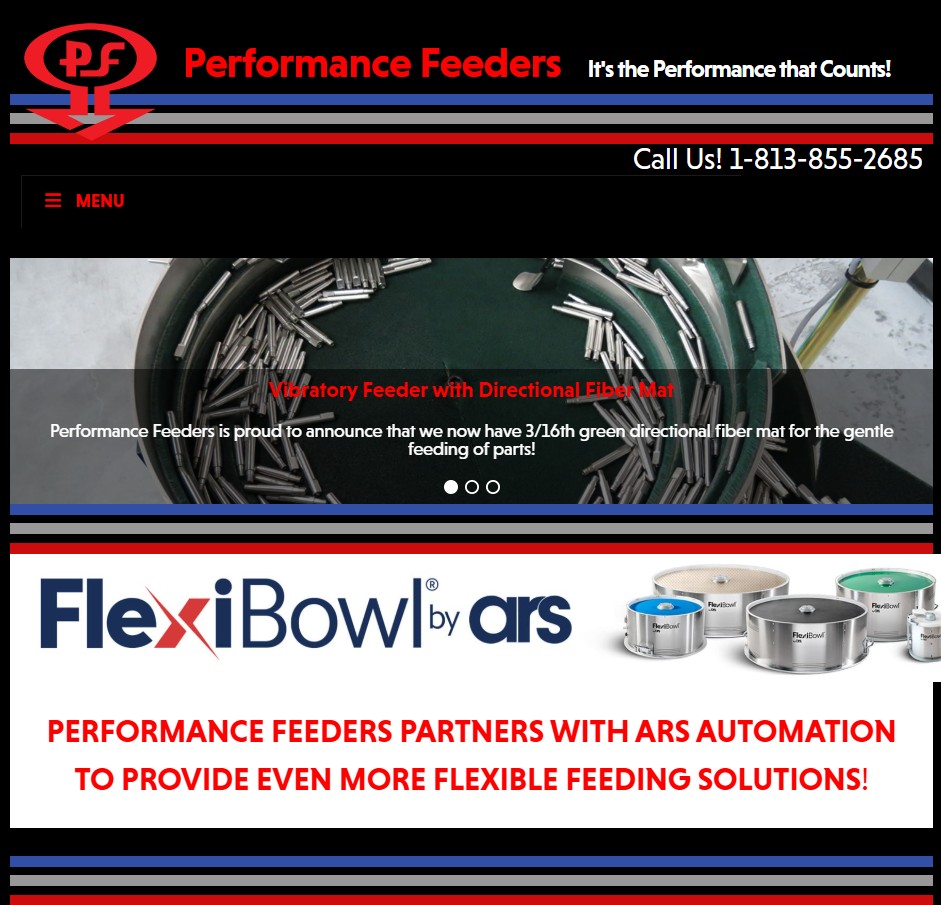
Vibratory bowl feeders are our specialty! For four decades we have been offering products that are guaranteed to last! Our vibratory bowl feeders come with multiple sound abatement options, standard and custom control packages and many other options for your convenience of choice! Visit our website today or get in touch with our customer service representatives by email or telephone today!
Unlike standard belt conveyors, screw augers, or pneumatic systems, vibratory conveying offers a unique advantage—it can move sticky, fragile, or friable materials without damage, agglomeration, or unwanted liquefaction.
This makes vibratory feeders an essential component in industries where product integrity and precision handling are critical, including food processing, pharmaceutical manufacturing, recycling, agriculture, and mining.
Low-Maintenance, High-Reliability Material Handling
One of the defining features of vibratory feeders is their minimal maintenance requirements. The only major moving component is a vibrating drive—strategically located beneath the feeder pan—kept away from the material flow to prevent contamination and wear. Other parts are simple, durable, and inexpensive to replace, making these machines a cost-effective long-term investment for high-throughput operations.
Depending on the application, vibratory feeders can be electromagnetically powered for fine control or electromechanically driven using a motor with eccentric weights or an eccentric crank for robust, heavy-duty performance.
Types of Vibratory Feeding and Conveying Systems
The category of vibratory equipment covers several key designs, each engineered for specific handling and conveying tasks:
Vibratory Bowl Feeders
Also known as centrifugal feeders or vibratory bowls, these machines align and orient small parts for packaging, inspection, or assembly. They are widely used in automotive, pharmaceutical, consumer goods, and electronics manufacturing.
Vibratory Conveyors
A broad class that includes trough conveyors, trommel screens, and vibrating screens designed to transport and sort bulk materials. They excel in handling aggregates, powders, wood, plastics, and recycled materials.
Rotary Feeders
Also called rotary valves or rotary airlocks, these devices feed airtight bulk solids into vibratory or screw conveyors while maintaining pressure differentials—critical in dust collection and powder handling systems.
Linear Feeders (Inline Feeders)
Often paired with bowl feeders, these move parts in a straight, vibratory motion for short or extended distances, delivering components precisely to packaging or assembly stations.
Applications Across Multiple Industries
Small Parts Manufacturing
Vibratory bowl feeders are indispensable for orienting, counting, and distributing items such as o-rings, fasteners, toothpaste caps, ammunition, and molded rubber components. Originally developed for pharmaceutical pill sorting, they now serve countless high-speed production lines where accuracy and efficiency are essential.
Food and Beverage Processing
Gentle, ultra-low vibration conveyors handle delicate produce like lettuce, berries, or confections such as gummy candies, preventing bruising or deformation. Food-grade vibratory conveyors also facilitate sanitary handling of bulk grains, nuts, and powders while meeting FDA and USDA compliance standards.
Recycling and Waste Management
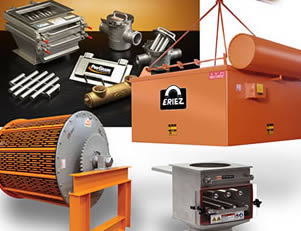
Vibratory conveyors and trommel screens play a major role in sorting metals, plastics, wood, and crushed concrete. Trommel magnets are often integrated to separate ferrous from non-ferrous materials for recycling streams.
Mining and Aggregate Processing
Heavy-duty vibrating screens and grizzly screens are essential for classifying ores, coal, sand, and gravel, ensuring size-specific material is delivered to downstream processes.
Chemical and Agricultural Industries
Fertilizer producers, pulp processors, and grain handlers use vibratory systems to transport, screen, and blend powders or granules without dusting or product degradation.
How Vibratory Bowl Feeders Work
Bowl feeders are often made of plastic, silicone, or stainless steel for compatibility with different material requirements. At the core is a vibrating drive mounted to the bowl’s base. The inner wall features a ramped spiral track—custom-engineered for the specific part—guiding products upward.
As the bowl vibrates in a controlled circular motion, parts travel up the spiral ridge. At the outfeed area, the track narrows to form a single-file orientation, ensuring consistent part delivery. This precision handling makes bowl feeders a preferred choice for high-speed automated packaging, assembly lines, and inspection systems.
How Vibratory Conveyors Improve Process Efficiency
Vibratory conveyors move heterogeneous mixtures and powder bulk solids from one processing stage to the next. Compared to belt conveyors, they offer better control over fragile or sticky materials, reduced product buildup, and less cleaning downtime.
Design options range from high-frequency, low-amplitude units for gentle handling to heavy-duty, high-amplitude models capable of transporting large, abrasive materials like crushed rock or scrap metal.
Trommels and Vibrating Screens for Particle Separation
Trommels (rotary screens) and vibrating screens use mesh or perforated plates to separate materials by size. Applications include:
- Recycling facilities – separating metals, plastics, and glass.
- Mining operations – classifying ore and aggregate.
- Composting facilities – screening organic matter.
Trommel magnets add a valuable step in metal recovery by removing ferrous materials before further processing. Continuous flatbed trommels, equipped with integrated filters, allow for fine particle separation in high-volume processing lines.
Integration with Rotary Feeders and Dust Collection
Rotary feeders, especially rotary airlock valves, are critical in closed-loop systems where dust control is a priority. They regulate the controlled release of powders from storage bins or cyclones into vibratory conveyors while preventing air leakage—a common requirement in powdered chemical handling and reclaimed dust recovery processes.
Benefits of Vibratory Feeding Systems
- Labor Efficiency – Multiple machines can be monitored by a single operator, reducing manpower costs.
- Improved Accuracy – Automated feeders orient and distribute parts more precisely than manual methods.
- Material Versatility – Capable of handling sticky, abrasive, fine, or fragile materials without degradation.
- Durability – Minimal moving parts and robust construction extend equipment lifespan.
- Cost Savings – Reduced labor, maintenance, and downtime.
For manufacturers evaluating material handling solutions, vibratory feeders often provide a faster ROI compared to belt, screw, or pneumatic systems—particularly in applications involving sorting, orientation, or gentle conveyance of fragile goods.
Choosing the Right Vibratory Feeder for Your Application
When selecting a vibratory feeder or conveyor, decision factors include:
- Material characteristics (density, stickiness, fragility)
- Required throughput rate
- Level of automation in the production line
- Sanitation requirements for food or pharmaceutical use
- Integration with upstream and downstream processes
For example, a high-speed bottling plant may require sanitary stainless-steel inline feeders for caps and closures, while a mining operation may prioritize abrasion-resistant trough conveyors and grizzly screens.