Recycling plays a critical role in modern manufacturing, environmental protection, and sustainable resource management. At its core, the process is about taking used materials and returning them to a workable form so they can be repurposed for new applications. Read More…

Granutech-Saturn Systems open_in_new
Location: Grand Prairie, TX
Here at Granutech-Saturn Systems we manufacture high performance equipment which can handle the toughest projects. Our Saturn Hammermills are engineered to meet the specific requirements of a variety of applications inlcuding metal recycling, waste-to-energy, electronic scrap, medical waste, bulky waste, and more. We are the experts of pulverizing technology with experience dating back to 1971. For more information visit www.granutech.com and see our PRODUCTS page.


Williams Patent Crusher & Pulverizer Co. open_in_new
Location: St. Louis, MO
At Williams Patent Crusher & Pulverizer Co., we are industry leaders in the design and manufacture of high-performance pulverizers that set the standard for reliability, efficiency, and innovation. Since our establishment, we have remained committed to creating cutting-edge solutions that meet the diverse and demanding needs of industries such as mining, power generation, recycling, and more.


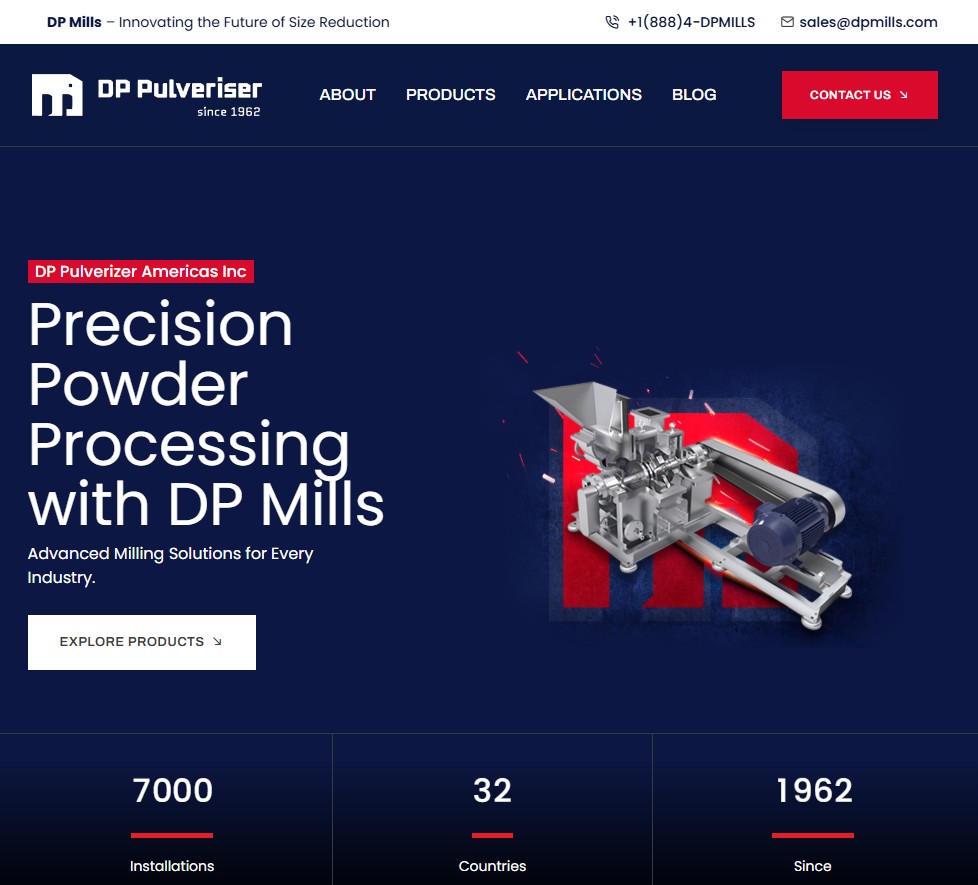
DP Pulverizers Americas Inc. open_in_new
Location: Chicago, IL
We are a trusted partner in delivering innovative size reduction solutions, and at DP Pulverizers Americas Inc., we have built our reputation on precision engineering, consistent quality, and a commitment to advancing material processing technology. Our expertise lies in designing and manufacturing size reduction equipment that meets the demanding needs of industries requiring efficient and uniform particle size distribution.
Achieving this transformation requires specialized recycling equipment designed to break down a wide range of materials into smaller, more manageable units. One of the most essential tools in this process is the industrial granulator.
Granulating equipment is engineered to transform recyclable materials—particularly plastics—into uniform pellets or granules that can be easily stored, transported, and integrated into new production cycles. By reducing waste into smaller, consistent particle sizes, manufacturers can efficiently melt the granules down and mold them into new products with predictable performance and minimal waste. This precision is crucial for industries that require exact material measurements before manufacturing, such as plastic product manufacturers, injection molding facilities, and extrusion plants.
Applications and Materials Processed
Granulators can be designed to handle a variety of materials, including:
- Plastics: High-density polyethylene (HDPE), low-density polyethylene (LDPE), polypropylene (PP), polyethylene terephthalate (PET), and more.
- Rubber: Reclaimed from tires or industrial rubber products for reuse in flooring, mats, or molded components.
- Metals: Certain granulators can process softer metals like aluminum, copper, or brass for recycling in manufacturing.
While plastics remain the most common material processed due to their high recyclability and manufacturing demand, the versatility of modern granulators allows them to play an integral role in multiple recycling industries. In fact, many closed-loop manufacturing systems rely on in-house granulators to reprocess scrap material directly back into production lines, reducing material costs and landfill waste.
How Granulators Work
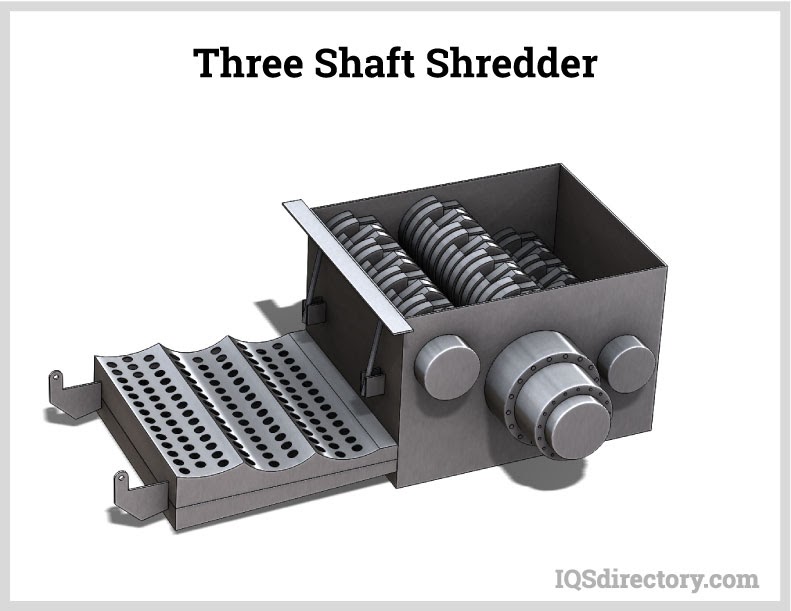
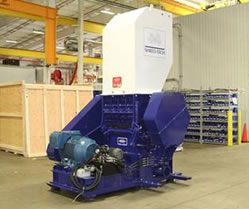
A granulator is typically equipped with a large hopper that feeds material into a cutting chamber containing rotating blades or teeth. As the rotor spins, the blades shred and cut the material into consistently sized granules, which are then discharged into a collection bin or onto a conveyor system for further processing.
Key components and features include:
- Rotor and Blades: Made from hardened steel to ensure durability and long service life.
- Adjustable Screens: Allow customization of granule size for specific production needs.
- Power Systems: Driven by electric motors ranging from 5 to over 50 horsepower, depending on throughput requirements.
- Safety Enclosures: Fully enclosed granulators prevent material from being ejected during operation, improving workplace safety and reducing waste.
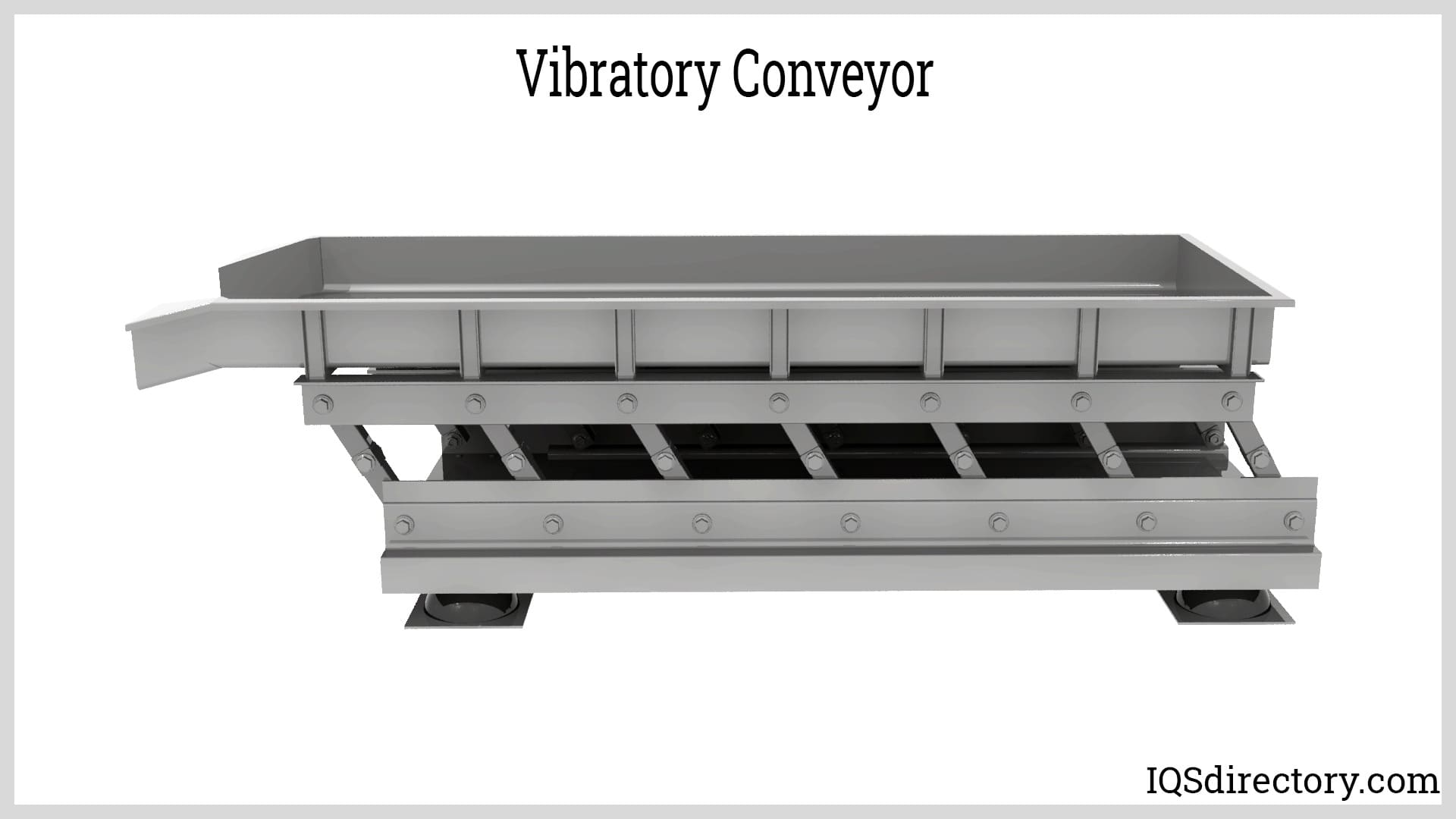
In many recycling plants, granulators are integrated with conveyor systems that feed raw material into the hopper and carry processed granules to packaging stations or storage silos. This automation improves efficiency, lowers labor costs, and ensures a steady material flow.
Benefits for Manufacturers and Recycling Facilities
For both standalone recycling companies and manufacturers seeking to reclaim scrap material, granulating equipment offers significant operational and economic benefits:
- Reduced Transportation Costs: Smaller, denser granules are more cost-effective to ship by weight.
- Material Uniformity: Consistent particle size enhances quality control and predictability in downstream manufacturing.
- Increased Storage Efficiency: Pellets take up less space than bulky scrap material, freeing up warehouse capacity.
- Sustainability Compliance: Using recycled feedstock supports green manufacturing goals and can help companies meet environmental regulations.
- Enhanced Production Flexibility: Reprocessed materials can be blended with virgin stock to reduce raw material costs without sacrificing product quality.
Choosing the Right Granulator
When selecting a granulator for your facility, it’s important to consider factors such as:
- Material Type: Hard plastics, soft plastics, rubber, or metals each require different rotor configurations and cutting strengths.
- Throughput Requirements: Match horsepower and chamber size to your daily production volumes.
- Desired Particle Size: Adjustable screen sizes allow you to produce fine, medium, or coarse granules.
- Integration Needs: Ensure the granulator can be positioned and connected seamlessly with your existing recycling or manufacturing line.
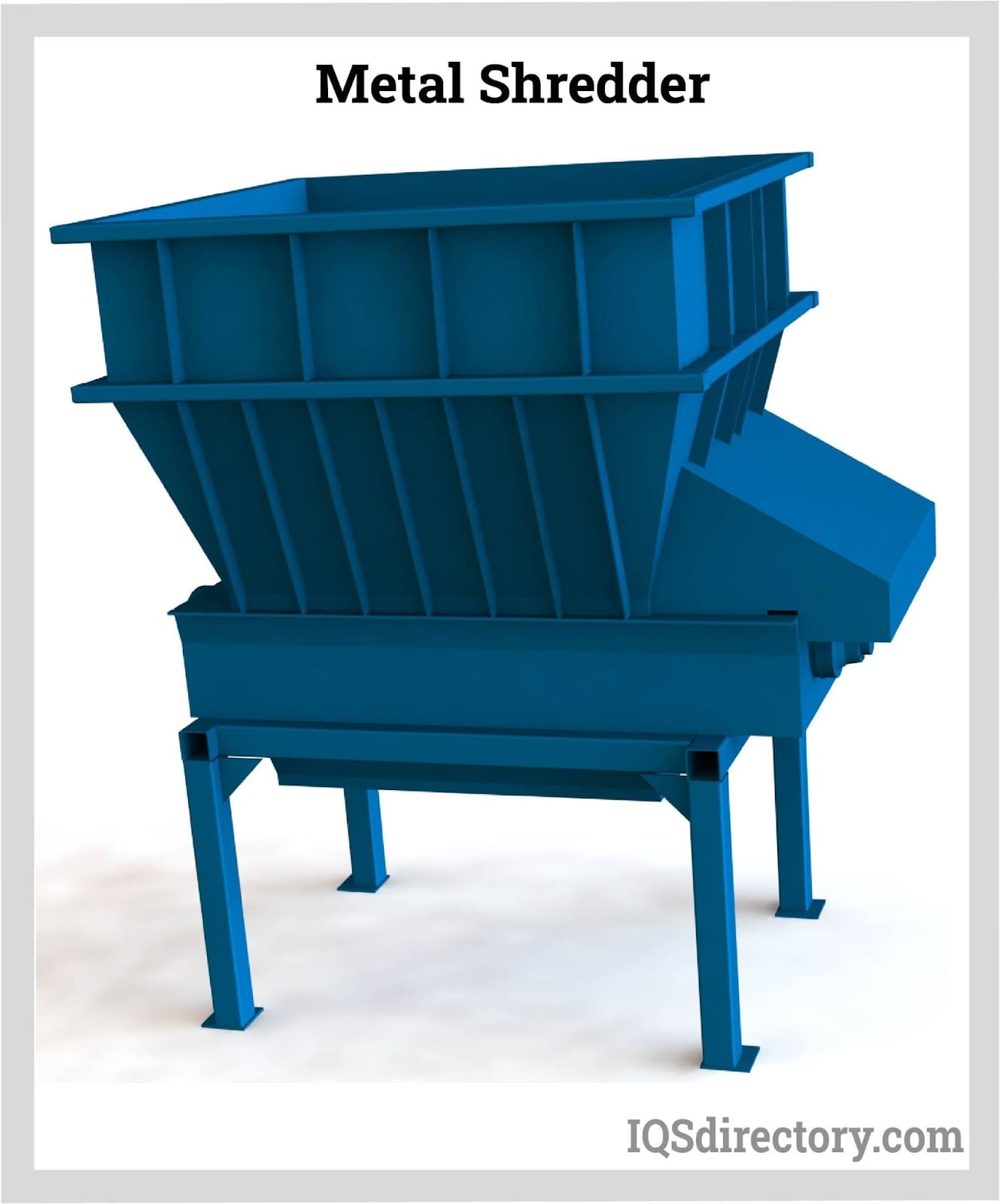
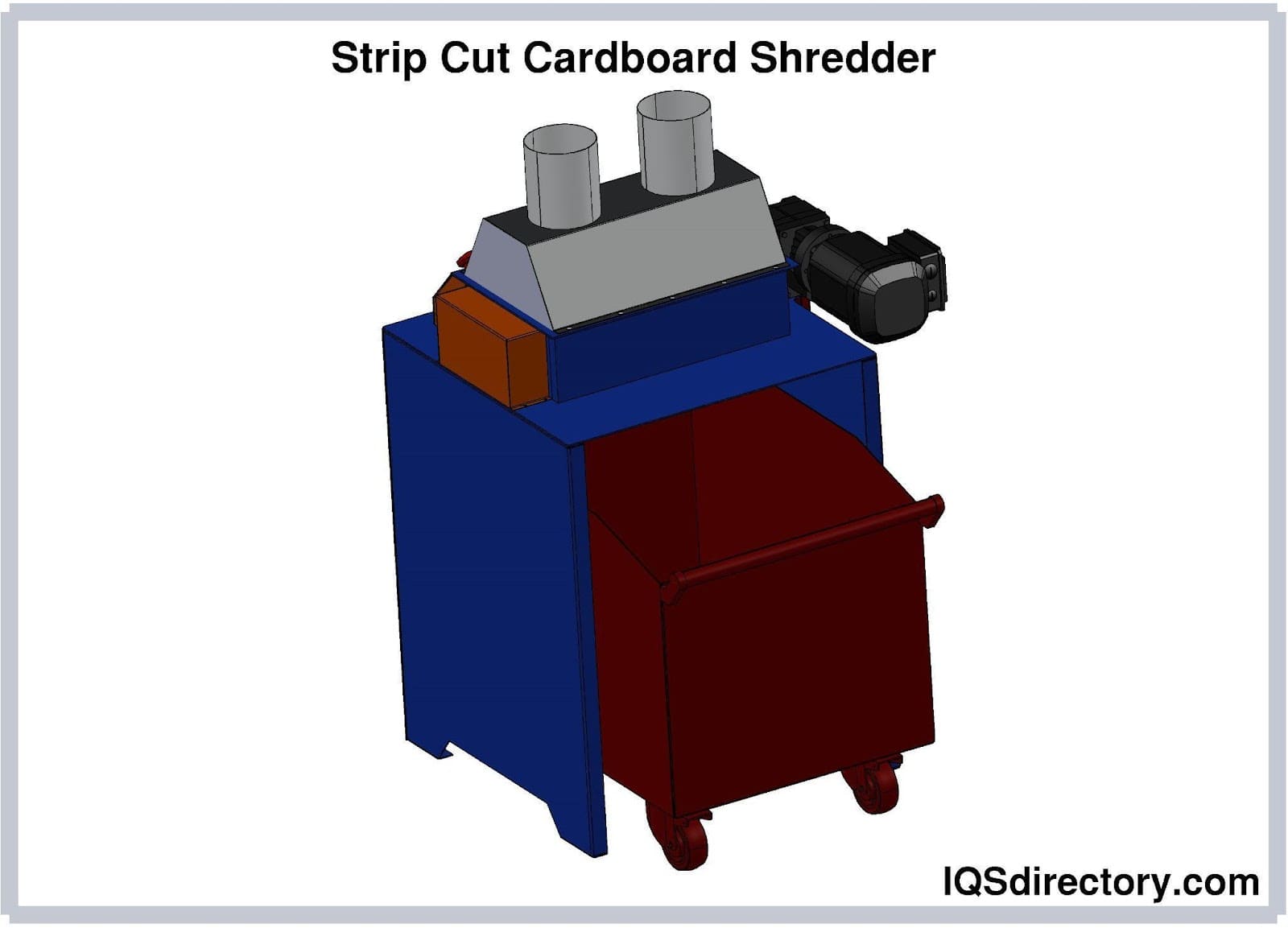
Buyers often evaluate granulators alongside shredders, pulverizers, and grinders to determine the best primary or secondary size-reduction solution for their specific application.
Real-World Use Cases
- Plastic Injection Molders use granulators to reclaim sprues, runners, and reject parts, feeding them back into production for cost savings.
- ackaging Manufacturers recycle offcuts from film extrusion lines, turning them into pellets for future runs.
- Automotive Parts Suppliers granulate plastic trim scrap, reducing waste disposal fees and improving sustainability metrics.
- E-Waste Processors granulate recovered plastic casings for resale to molders or extrusion companies.
The Future of Granulating Technology
Advancements in energy-efficient motor systems, noise-reduction engineering, and dust containment technology are making modern granulators safer, quieter, and more eco-friendly. Smart monitoring systems now allow operators to track performance, schedule maintenance, and optimize throughput using real-time data.
With the rising demand for post-consumer recycled (PCR) materials and the push toward circular economy manufacturing, granulating equipment is expected to become even more critical in both standalone recycling facilities and integrated production environments.